How to Transfer Car Ownership in Dubai: A Beginner's Guide
Quick Summary
Transferring car ownership in Dubai means clearing traffic fines, settling any car loan, passing the vehicle inspection, and arranging insurance in the buyer's name. The seller then starts the transfer with the RTA and both parties sign the Sale and Purchase Agreement, which stays valid for 14 days. The buyer receives a new Mulkiya once registration is complete.
Buying or selling a used car in Dubai involves more than agreeing on a price and handing over the keys. The vehicle must be registered under the new owner's name through the Roads and Transport Authority (RTA). Without completing this process, the buyer cannot officially take ownership of the car.
To transfer car ownership in Dubai, first clear all outstanding traffic fines and settle any vehicle loan. The buyer must arrange valid car insurance in their name and complete the required vehicle inspection.
Next, the seller starts the ownership transfer through the RTA website or app, and both parties sign the Sale and Purchase Agreement. Finally, the buyer pays the required fees, completes registration, and receives the new vehicle registration card, commonly called the Mulkiya.
The process is straightforward when both parties prepare the required documents in advance. Knowing the RTA rules, inspection requirements, and payment steps can help first-time buyers and sellers avoid delays.
What Does Car Ownership Transfer Mean in Dubai?
Car ownership transfer is the official process of changing a vehicle's registered owner from the seller to the buyer. In Dubai, the RTA manages this process and updates the vehicle records after the required checks and payments are completed.
Once the transfer is successful, the buyer receives a new vehicle registration certificate (Mulkiya) under their name. This document confirms the registered ownership and contains important details about the car, insurance, and registration validity.
The transfer is required when:
- You buy a used car from a private owner.
- You sell your car to another person.
- You transfer a vehicle to a family member.
- You purchase a car from a showroom or dealership.
- You change the registered owner of a company vehicle.
A private sale agreement or payment receipt alone does not complete the official transfer. The RTA must update the vehicle registration records.
What Are the Requirements for Transferring Car Ownership in Dubai?
Before starting the process, the buyer and seller must meet the RTA requirements. Both parties need valid identification, and the vehicle must meet the conditions for transfer and registration.
The buyer must arrange insurance, while the seller needs to clear the required fines and deal with any existing vehicle mortgage. Preparing these details in advance can make the transaction easier and reduce the chance of an incomplete application.
The main requirements include:
- Valid Emirates ID for the buyer and seller.
- Valid car insurance in the buyer's name.
- Electronic vehicle inspection report.
- Payment of outstanding traffic fines.
- Electronic mortgage release if the car has a bank loan.
- Sale and Purchase Agreement signed by both parties.
- A valid traffic file for the buyer, or the documents needed to open one.
The RTA may ask for extra documents in special cases, such as company-owned vehicles, diplomatic vehicles, or transfers completed through a legal representative.
Documents Needed for Car Ownership Transfer
Having the right documents ready can save time at an RTA service centre. The exact requirements depend on the buyer's and seller's status and the type of vehicle.
For a normal private sale between two individuals, the Emirates IDs, vehicle details, insurance, and inspection information are the main items to prepare. If someone is completing the transaction on another person's behalf, additional legal documents may be required.
Documents Required from the Seller
The seller should prepare:
- Valid Emirates ID.
- Vehicle registration card (Mulkiya), if available.
- Vehicle plate details.
- Access to the RTA account or UAE Pass.
- Bank mortgage release, if the car was financed.
- Payment confirmation for outstanding traffic fines.
Documents Required from the Buyer
The buyer should prepare:
- Valid Emirates ID.
- Valid UAE driving licence, where applicable for the transaction and vehicle use.
- Active car insurance in their name.
- Vehicle inspection report.
- Traffic file details.
- Payment method for the transfer and registration charges.
If the buyer does not have a Dubai traffic file, they may need to open one and provide the required identification and residency documents.
Step-by-Step Process to Transfer Car Ownership in Dubai
The RTA provides different ways to complete the ownership transfer, including its website, smart apps, and approved service centres. The online process allows the seller and buyer to sign the Sale and Purchase Agreement electronically.
However, the buyer may still need to visit a vehicle registration centre to complete the registration and inspection requirements. Following the correct order helps both parties avoid unnecessary visits.
Step 1: Clear All Outstanding Traffic Fines
Before starting the transfer, check whether the vehicle has any unpaid traffic fines. The seller should settle the outstanding fines linked to the vehicle and their traffic file. The buyer should check their own traffic record as well.
The RTA requires the relevant fines to be cleared before the transaction can proceed. Fines may come from Dubai or other emirates, so check the available traffic records rather than looking only at Dubai violations.
Step 2: Settle Any Existing Car Loan
If the vehicle was purchased through bank financing, the seller must settle the outstanding loan before transferring ownership. After receiving the payment, the bank arranges the electronic mortgage release through the relevant system.
The RTA needs this release to confirm that the vehicle is no longer under the bank's mortgage. Do not assume that paying the final loan instalment automatically completes the release. Confirm with the bank that the mortgage status has been updated.
Step 3: Complete the Vehicle Inspection
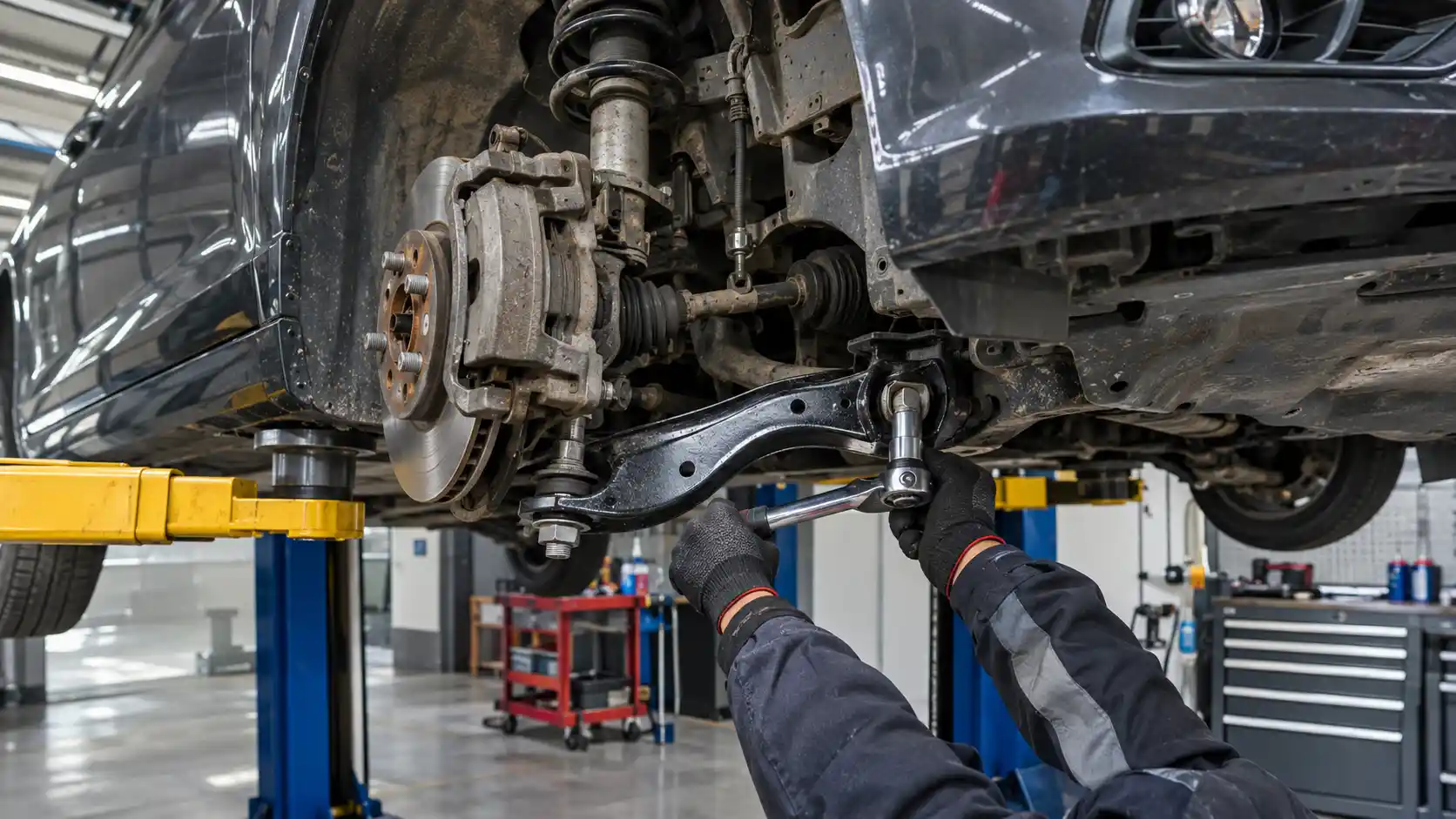
The vehicle must pass the required technical inspection before registration is completed. An approved testing centre checks important parts such as the brakes, tyres, lights, suspension, and other safety-related systems.
The inspection helps confirm that the car meets the required road safety standards. Even if the vehicle has a valid registration, a change of ownership requires a technical inspection under the RTA's stated rules. If the car fails, repair the identified problems and arrange another test.
Step 4: Arrange Car Insurance in the Buyer's Name
The buyer must arrange valid motor insurance before completing the registration. The policy should be issued in the new owner's name and submitted electronically through the insurance system.
Buyers can compare third-party and comprehensive insurance based on their budget and the car's value. Third-party insurance covers liability for damage or injury caused to others, while comprehensive insurance offers wider protection for the insured car, subject to policy terms. Make sure the insurance details are correct before proceeding.
Step 5: Start the Transfer Through the RTA
The seller logs in to the RTA website or supported smart application using UAE Pass or the available account details. They select the vehicle licensing service for changing vehicle ownership and choose the car to be transferred.
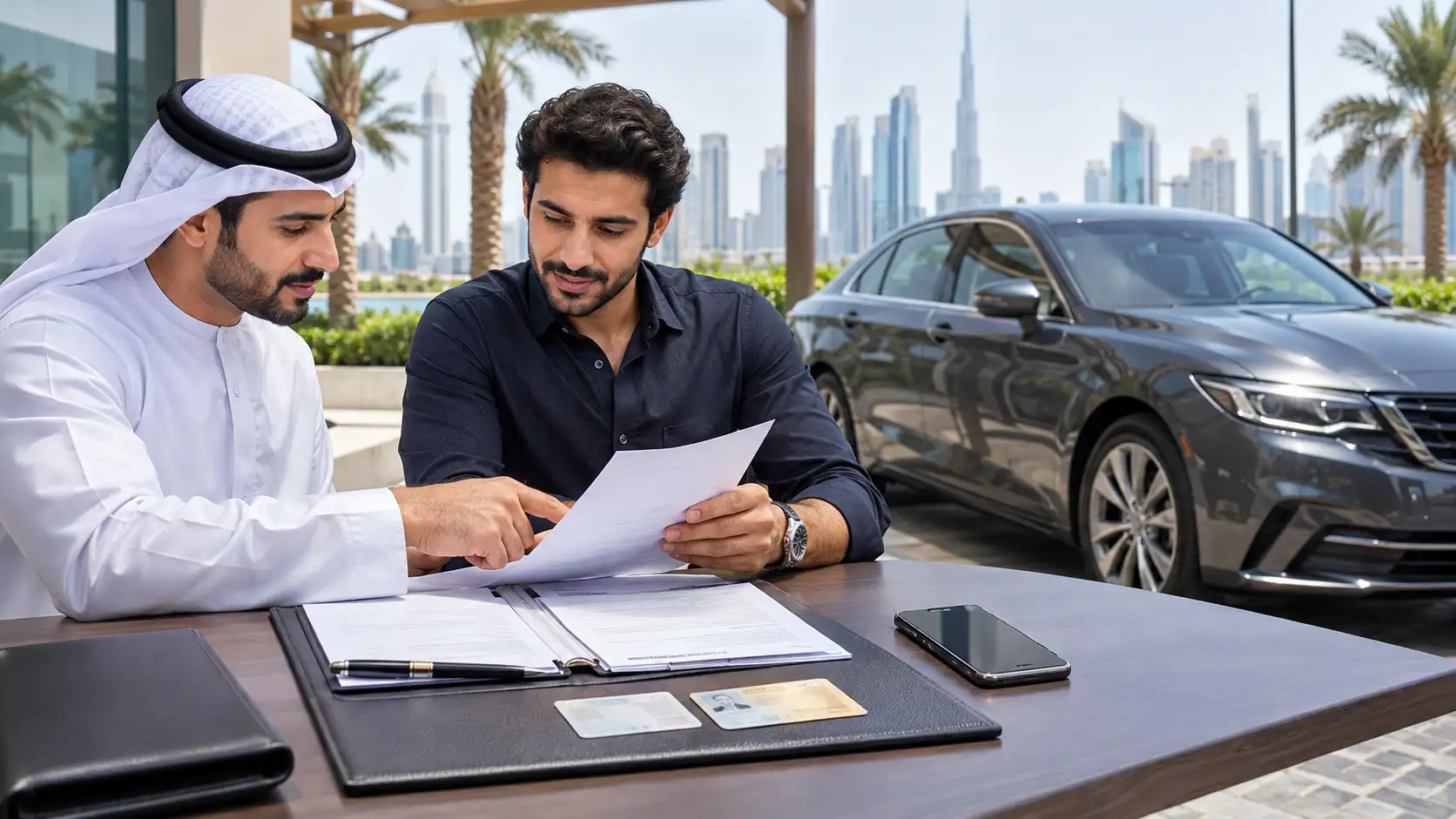
The seller then enters the buyer's required details, including their Emirates ID number and registered contact information. The system creates the digital Sale and Purchase Agreement, which both parties must review before signing.
Step 6: Both Parties Sign the Sale and Purchase Agreement
The buyer receives a link through SMS or email to review and sign the Sale and Purchase Agreement. After the buyer signs, the seller receives a notification and completes their signature.
Both parties should check the vehicle details, agreed sale information, and personal details before approving the document. The RTA states that the online agreement is valid for 14 days. If the process is not completed within this period, the agreement is cancelled and the parties may need to start again.
Step 7: Pay the Transfer Fees and Complete Registration
After the agreement is signed, the required fees must be paid. The seller completes the plate return or retention procedure, depending on the selected option and RTA rules.
The buyer then visits an approved service centre when required to complete the vehicle registration. Once all checks, payments, and registration steps are complete, the RTA issues the new Mulkiya in the buyer's name.
How Much Does It Cost to Transfer Car Ownership in Dubai?
The total cost depends on the vehicle category, registration requirements, and any additional services. The RTA calculates the applicable charges during the transaction, so buyers should check the final amount before making payment.
Main Charges to Consider
| Fee | What It Covers |
|---|---|
| Ownership transfer | Changing the registered owner |
| Sale and Purchase Agreement | Official vehicle sale agreement |
| Knowledge and Innovation fees | RTA service-related charges |
| Vehicle inspection | Technical testing at an approved centre |
| New registration | Issuing the vehicle registration |
| Insurance | Motor insurance in the buyer's name |
| Additional charges | New plates, delivery, or other required services |
The RTA lists a standard Sale and Purchase Agreement fee of AED 50 and Knowledge and Innovation fees of AED 20 on its ownership transfer service page. The ownership transfer charge depends on the vehicle type and selected service. Inspection, insurance, and registration costs may be separate.
Where Can You Transfer Car Ownership in Dubai?
You can complete the ownership transfer through different RTA-approved channels. The best option depends on whether you want to handle the process online or visit a service centre.
The RTA website and smart applications allow sellers to start the transaction and both parties to sign the agreement electronically. Vehicle registration and inspection centres can help complete the remaining steps, including document checks, plate handling, and registration.
Common options include:
- RTA website: Start the ownership transfer and complete the online agreement.
- RTA Dubai App: Access vehicle licensing services through your mobile phone.
- Dubai Now App: Use supported government services for vehicle ownership transactions.
- RTA Customer Happiness Centres: Complete the process with help from service staff.
- Approved vehicle testing and registration centres: Complete inspection and registration requirements.
Before visiting a centre, check its working hours and whether it offers the service you need. You can find service locations through the RTA website.
How Long Does Car Ownership Transfer Take?
The online Sale and Purchase Agreement process can be completed instantly when the seller and buyer have the required details ready.
However, the complete transfer may take longer if the car needs inspection, the buyer has to arrange insurance, or a bank mortgage release is pending.
Registration centre visits and payment processing can add to the total time. Preparing the documents and clearing all fines before starting can help avoid delays.
The RTA gives the online agreement a validity period of 14 days. Both parties must complete the required licensing steps within this period. If the agreement expires, they may need to submit a new application.
Important Things to Check Before Buying a Used Car in Dubai
Before paying for a used car, take time to check its condition and official records. A vehicle may look good from the outside but have hidden mechanical problems, accident damage, or unpaid fines.
A proper inspection can help you understand the car's condition and avoid unexpected repair costs after the purchase. You should also confirm that the person selling the car is its registered owner or has legal permission to complete the sale.
Here are some important checks:
- Check the vehicle history: Look for accident records and previous damage where records are available.
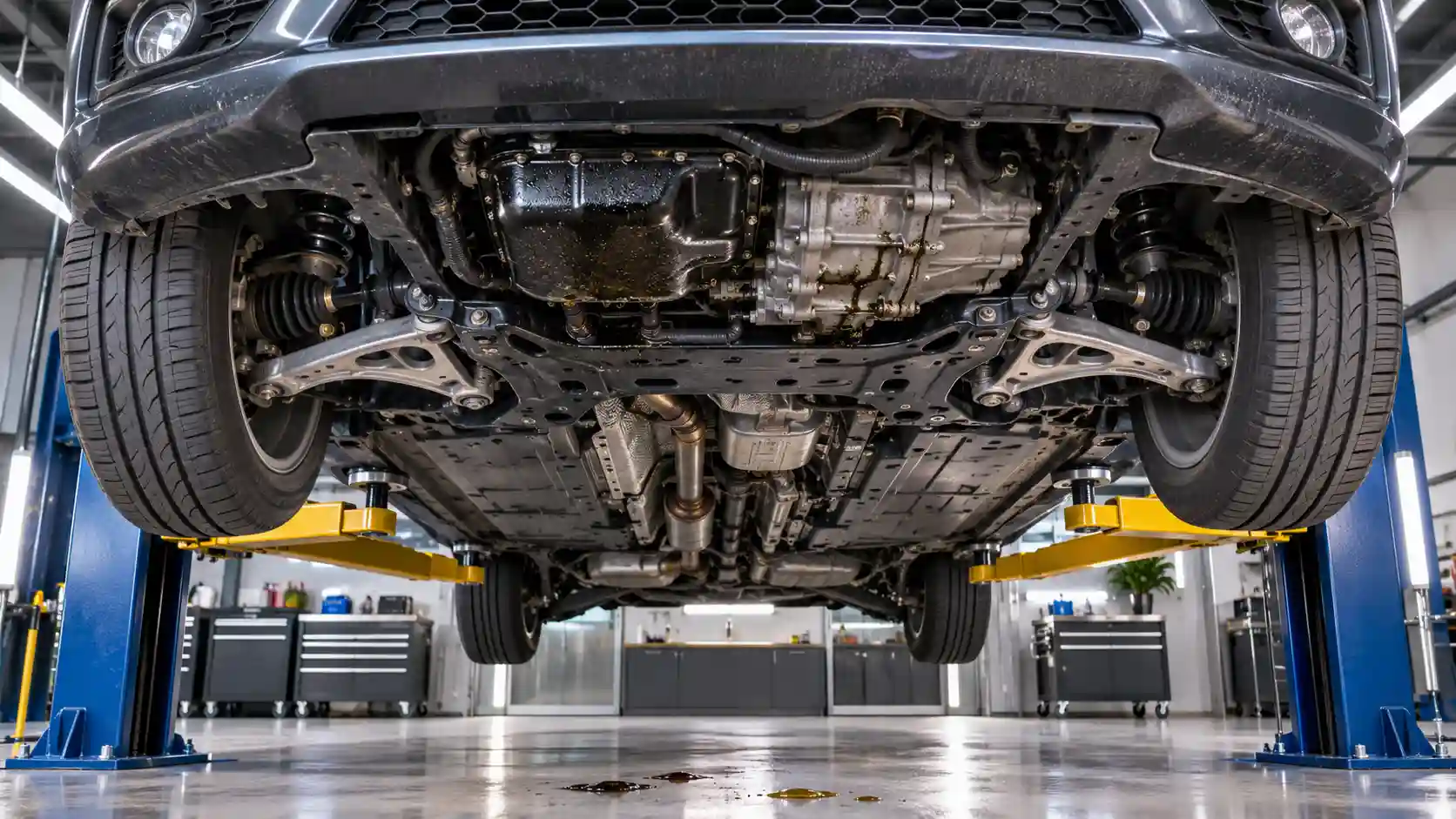
- Inspect the engine: Check for unusual sounds, smoke, oil leaks, and signs of poor maintenance.
- Test the transmission: Make sure gear changes are smooth and there are no unusual noises.
- Check the tyres and brakes: Look for uneven tyre wear and signs of brake problems.
- Review the service history: Ask for maintenance records and previous repair details.
- Check outstanding fines: Confirm that there are no unpaid traffic charges.
- Confirm loan status: Make sure the vehicle mortgage can be released before the transfer.
- Get a professional inspection: Have a qualified mechanic examine the car before finalising the purchase.
A pre-purchase inspection is especially useful when buying an older car or a vehicle with high mileage. It can help identify mechanical issues that may not appear during a short test drive.
Can You Transfer Car Ownership Without the Seller Being Present?
In some cases, the seller does not need to visit the RTA service centre in person. The online transfer system allows the seller and buyer to complete the Sale and Purchase Agreement electronically.
However, both parties must complete the required identity checks and signatures. If someone is acting on behalf of the seller, they may need a valid Power of Attorney that clearly allows them to sell and dispose of the vehicle.
The RTA states that legal representatives must provide the required authority documents. A Power of Attorney issued outside the UAE must also be ratified by the UAE Ministry of Foreign Affairs.
If the seller is unavailable and no suitable legal representative is involved, an approved showroom sale agreement may be required. Always confirm the correct procedure with the RTA before making payment.
Common Mistakes to Avoid During Car Ownership Transfer
Small mistakes can delay the transfer or prevent the buyer from completing registration. Some people arrange insurance too late, while others forget to check traffic fines or bank loan details. Missing documents can lead to extra visits to service centres.
Both parties should review the information carefully before signing the agreement because incorrect details can create problems during the transaction.
Avoid these common mistakes:
- Starting the transfer before clearing outstanding fines.
- Forgetting to arrange insurance in the buyer's name.
- Ignoring the required vehicle inspection.
- Trying to transfer a car with an active bank mortgage.
- Entering incorrect buyer or vehicle details.
- Failing to complete registration within the agreement's 14-day validity.
- Handing over the car without confirming the official ownership change.
- Forgetting to check the new Mulkiya after registration.
Taking a little time to check everything can make the process easier and protect both the buyer and seller from avoidable problems.
What Happens After the Car Ownership Transfer?
Once the RTA completes the registration, the vehicle is officially registered under the buyer's name. The buyer receives a new electronic vehicle registration card, known as the Mulkiya.
This document includes the registered owner's details, vehicle information, insurance details, and registration expiry date. It can be accessed through the available RTA digital services and should be saved on your phone for easy access when needed.
After receiving the new registration, the buyer should:
- Check that their name and vehicle details are correct.
- Confirm the insurance policy is active.
- Check the registration expiry date.
- Keep a copy of the new Mulkiya.
- Confirm that the vehicle plates have been handled correctly.
- Keep the sale agreement and payment records for future reference.
The seller should keep the sale confirmation and any relevant insurance documents. If the seller has an unused insurance policy, they can contact their insurance provider to ask about cancellation or a possible refund, depending on the policy terms.
Frequently Asked Questions
Can I transfer a car that still has a bank loan?
Not until the loan is settled and the bank arranges the electronic mortgage release. The RTA needs that release to confirm the car is no longer mortgaged. Paying the final instalment does not always complete it, so confirm the status with the bank first.
How long is the RTA Sale and Purchase Agreement valid?
Fourteen days from signing. Both parties must finish the licensing steps inside that period. If it expires, the agreement is cancelled and a new application may be needed, so arrange the inspection and insurance before starting.
Does a car need inspection if its registration is still valid?
Yes. A change of ownership requires a technical inspection under the RTA's rules, even when the registration has not expired. An approved centre checks the brakes, tyres, lights, suspension, and other safety systems before registration goes through.
Who arranges the insurance, the buyer or the seller?
The buyer. The policy must be issued in the new owner's name and submitted electronically before registration is completed. Arranging it late is one of the most common reasons a transfer stalls partway through.
What should I check on the new Mulkiya?
Check that your name and the vehicle details are correct, that the insurance shows as active, and that the registration expiry date is right. Keep a copy, along with the sale agreement and payment records, for future reference.
Conclusion
Transferring car ownership in Dubai requires clearing traffic fines, settling any vehicle loan, completing the technical inspection, and arranging insurance in the buyer's name.
The seller then starts the RTA application, and both parties sign the Sale and Purchase Agreement. After paying the required charges and completing registration, the buyer receives a new Mulkiya under their name.
Before starting, prepare the Emirates IDs, insurance details, inspection report, and other required documents. Check the vehicle's history and mechanical condition before purchasing, and ensure the official ownership change is completed within the agreement's 14-day validity period.
Following these steps can help first-time buyers and sellers complete the transfer faster and avoid common mistakes.
Need Help Inspecting Your Newly Purchased Car?
Buying a used car is a big decision, and checking its mechanical condition before or after the ownership transfer can help you avoid unexpected repair costs. 800Sayara offers professional pre-purchase car inspections and repair services to help buyers understand the condition of their cars.
Need a trusted garage in the UAE?
Book expert car service with 800Sayara in Dubai, Abu Dhabi and Sharjah.
Book Appointment