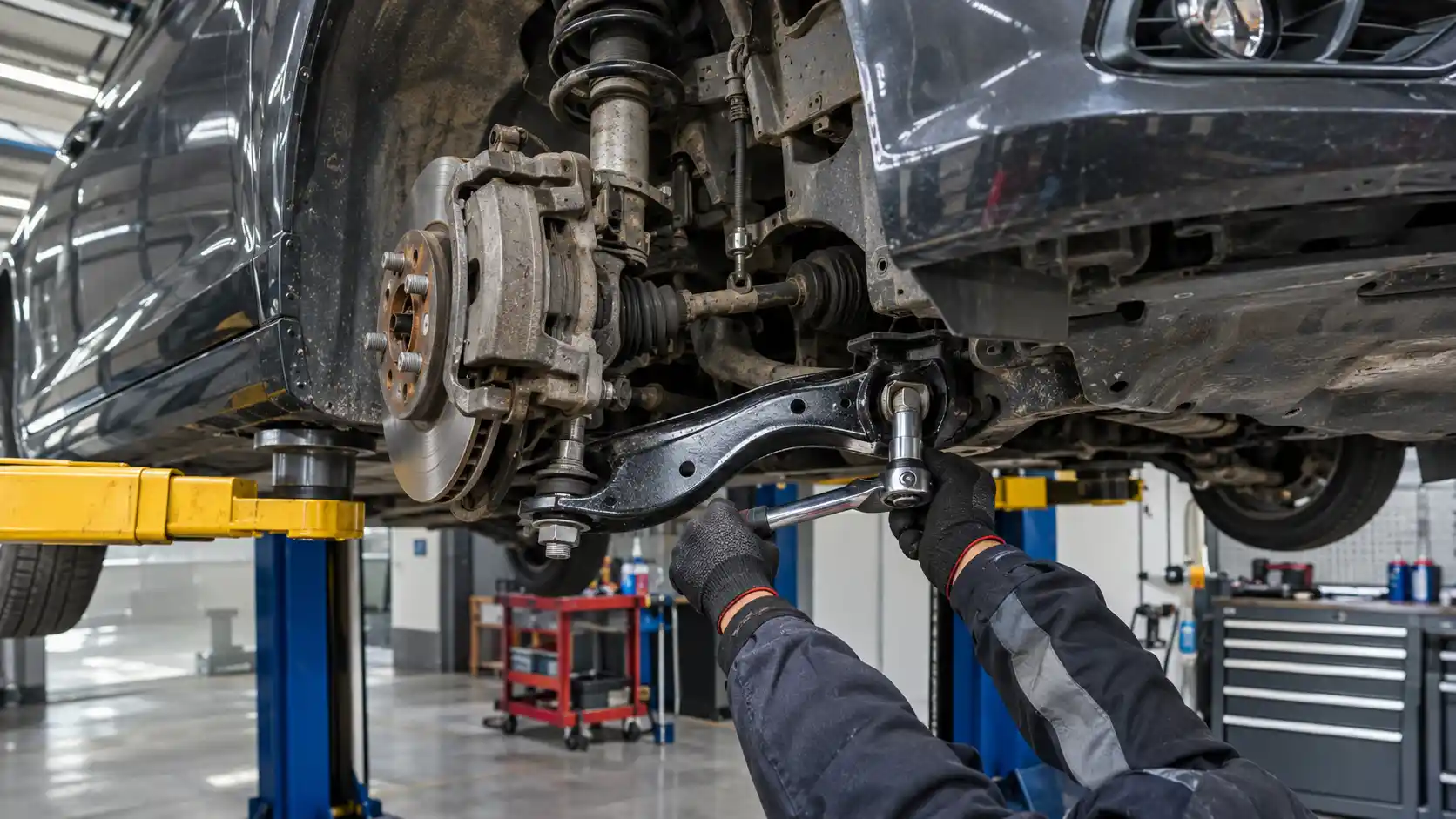
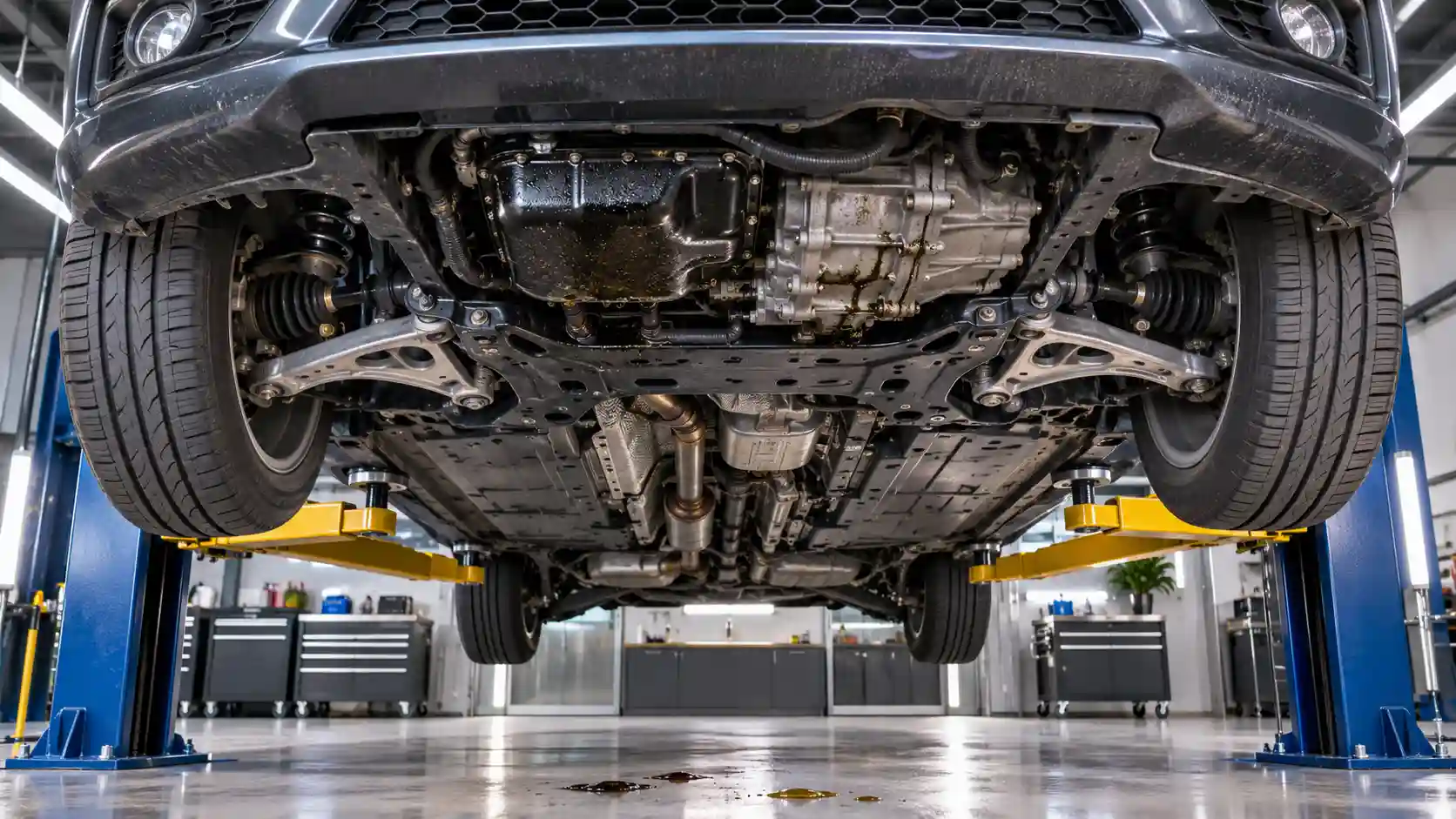
Is It Safe to Drive While My Transmission Is Leaking?
Quick Summary
Driving with a transmission fluid leak is not safe in most cases. Low fluid reduces the pressure the gearbox needs, so gears can slip, shifts turn rough, and the transmission can overheat. If the car slips, makes unusual noises, or smells of burning, stop somewhere safe and arrange an inspection instead of driving on.
A transmission fluid leak may look like a small problem, but it can lead to serious damage if ignored. The transmission needs enough fluid to shift gears smoothly, control heat, and protect its moving parts. Driving with low fluid can cause rough gear changes, slipping, overheating, and even complete transmission failure.
So, is it safe to drive while your transmission is leaking? In most cases, it is not recommended. The level of risk depends on how much fluid is leaking and whether the transmission is showing signs of trouble. Knowing what to look for can help you decide when to stop driving and get the car checked.
Is It Safe to Drive With a Transmission Fluid Leak?
Driving with a transmission fluid leak is risky because the transmission may not have enough fluid to work properly.
Even a small leak can become worse over time, especially if the fluid level keeps dropping. Low fluid can reduce hydraulic pressure, making it harder for the transmission to change gears.
If you notice a fresh fluid leak, avoid unnecessary driving and arrange an inspection. If the car is slipping, making unusual noises, struggling to move, or showing a transmission warning, stop in a safe place and arrange roadside assistance. Continuing to drive can turn a repairable leak into a much more expensive problem.
What Happens When Transmission Fluid Leaks?
Transmission fluid does more than lubricate the parts inside the gearbox. It helps manage heat, creates the pressure needed for gear changes in many automatic transmissions, and protects internal components from wear.
When fluid escapes, the transmission may not receive the amount it needs. Here are some problems that can develop if you keep driving with low transmission fluid.
1. Gears May Slip
Gear slipping happens when the transmission cannot hold the selected gear properly. You may notice the engine revving higher than usual while the car struggles to pick up speed. In automatic cars, the transmission may shift unexpectedly or take longer to engage a gear.
Low fluid can reduce the pressure needed for smooth operation. If this happens, avoid driving further than necessary. Repeated slipping can increase heat and wear inside the transmission, making the problem more serious.
2. Gear Changes May Become Rough
A healthy transmission should change gears smoothly. When the fluid level drops, you may feel sudden jerks, delayed shifts, or hard gear changes. Some cars may hesitate before moving after you select Drive or Reverse.
These symptoms can make the car difficult to control, especially in heavy traffic. Do not assume that rough shifting is a minor issue. A mechanic should check the fluid level, leak source, and transmission condition before further driving.
3. The Transmission Can Overheat
Transmission fluid helps carry heat away from internal parts. When there is not enough fluid, the transmission may struggle to control its temperature. Excess heat can damage seals, clutch components, and other parts inside the gearbox.
An overheating transmission may produce a burning smell or trigger a warning message. If you notice these signs, stop driving as soon as it is safe. Allowing the transmission to keep running at a high temperature can lead to major internal damage.
4. Internal Parts May Wear Out Faster
Transmission fluid forms a protective layer between moving parts. When the level becomes too low, these parts may experience more friction and heat. Over time, this can damage gears, bearings, clutch packs, and other components.
A leak that could have been fixed by replacing a seal or repairing a line may eventually lead to a costly transmission rebuild or replacement. Getting the leak repaired early is usually the safer and more affordable choice.
How to Tell If Your Transmission Is Leaking
Transmission fluid leaks can happen in different areas of the system. You may notice fluid under the car, changes in gear performance, or a drop in the fluid level. Checking these signs early can help you avoid further damage.
1. Red or Brown Fluid Under the Car
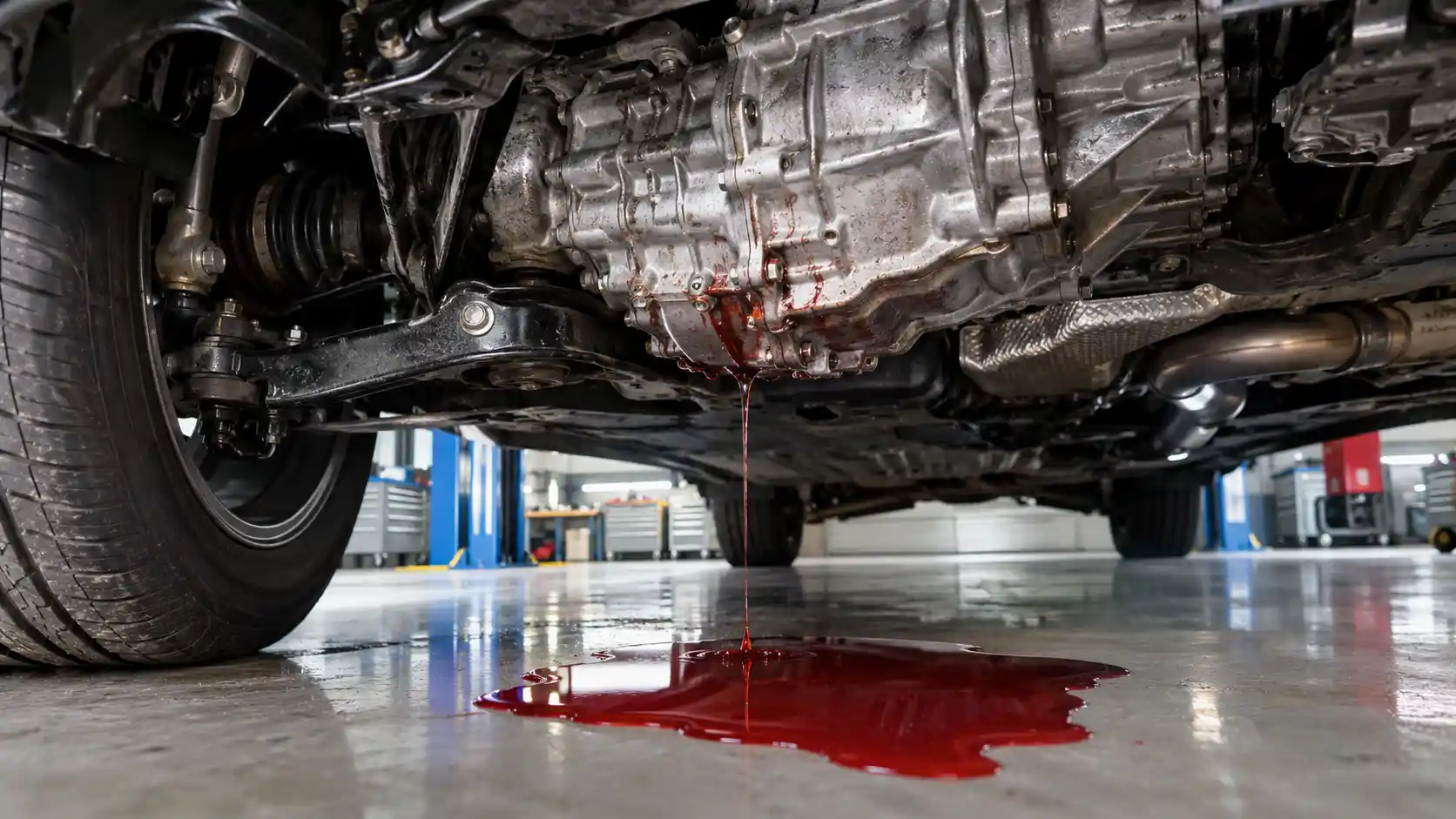
Transmission fluid is often red or pink when new, but it can become darker as it ages. Depending on the fluid type and condition, it may appear red, brown, or dark brown. You may notice a wet patch under the middle or front area of the car.
However, colour alone cannot confirm the source of a leak. Engine oil, coolant, brake fluid, and other fluids can also leave marks under a car. A mechanic can identify the fluid and trace the leak to the correct part.
2. Delayed Gear Engagement
If your car takes longer than usual to move after selecting Drive or Reverse, the transmission may not be building enough pressure. Low fluid caused by a leak is one possible reason.
You may notice a pause before the car starts moving or feel a sudden jolt when the gear finally engages. This should not be ignored, particularly if you have already noticed fluid under the car.
3. Burning Smell
A burning smell can be a warning sign of an overheating transmission. Low fluid may cause more friction between internal parts, raising the operating temperature. In some cases, leaking fluid may also come into contact with hot engine or exhaust components.
If you notice a burning smell along with shifting problems, stop driving and arrange an inspection. Do not keep driving in the hope that the smell will disappear.
4. Unusual Transmission Noises
A low transmission fluid level can cause whining, humming, or other unusual sounds. These noises may become more noticeable when changing gears or accelerating.
However, similar sounds can come from other parts, including wheel bearings and the differential. A proper inspection is needed to identify the cause. If the noise starts suddenly and comes with a fluid leak or poor shifting, avoid driving the car.
What Causes a Transmission Fluid Leak?
A transmission leak can come from several parts. The source may be a worn seal, a damaged fluid line, or a loose connection. Finding the exact cause is important because adding fluid alone will not fix the problem.
1. Worn Transmission Seals
Seals prevent transmission fluid from escaping around moving parts and connections. Over time, heat, age, and normal wear can cause them to become hard or damaged.
A worn seal may allow fluid to leak around the transmission input or output shaft. The leak can start slowly and become more noticeable as the seal wears further. A mechanic needs to inspect the area to confirm which seal needs replacement.
2. Damaged Transmission Pan or Gasket
The transmission pan holds fluid in many automatic transmissions. It is fitted with a gasket that helps prevent leaks between the pan and the transmission housing.
A damaged pan, loose bolts, or a worn gasket can allow fluid to escape. The pan may also become damaged after hitting road debris or driving over a rough surface. Repair may involve replacing the gasket, fixing the pan, or fitting a new one if it is cracked.
3. Loose or Damaged Fluid Lines
Transmission fluid lines carry fluid between the transmission and other parts of the cooling system. These lines may develop cracks, corrosion, or loose connections.
A damaged line can cause fluid to leak while the car is running. If the leak is severe, the fluid level may drop quickly. A mechanic should inspect the lines and connections and replace any damaged parts.
4. Faulty Torque Converter Seal
The torque converter transfers engine power to the transmission in many automatic cars. It contains fluid and works with the transmission system to help the car move.
A damaged torque converter seal can allow fluid to leak from the front area of the transmission. This type of leak may be difficult to inspect without removing parts. A workshop can check the source and recommend the correct repair.
What Should You Do If Your Transmission Is Leaking?
Taking the right steps after noticing a leak can help protect your transmission and keep you safe on the road.
1. Stop Driving if You Notice Serious Symptoms
If the car is slipping, making loud noises, overheating, or struggling to move, pull over somewhere safe. Do not continue driving to see whether the problem gets better. Arrange roadside assistance or have the car taken to a workshop.
If you only notice a small fluid mark and the car seems to drive normally, you should still avoid unnecessary trips. A leak can become worse without much warning.
2. Check the Owner's Manual
Some cars have a transmission dipstick, while others use a sealed system that requires special tools to check the fluid level. The correct checking method can vary by make and model.
Read your owner's manual before attempting to check the fluid. Do not open plugs or remove parts if you are unsure about their purpose. Some transmissions must be checked at a specific temperature and with the engine running or switched off according to the manufacturer's procedure.
3. Avoid Adding the Wrong Transmission Fluid
Different cars require different types of transmission fluid. Using the wrong fluid can affect shifting performance and may damage internal components.
Check the owner's manual for the correct fluid specification. Do not mix different types or add fluid without confirming the level and checking for leaks. Adding more fluid may temporarily improve operation, but it will not repair a damaged seal, pan, or line.
4. Arrange a Professional Inspection
A mechanic can check the fluid level, inspect the transmission housing, and find where the fluid is escaping. The workshop may need to clean the affected area and run the car to identify the source of the leak.
Once the cause is confirmed, the mechanic can recommend a suitable repair. This may involve replacing a seal, gasket, fluid line, or damaged transmission pan. The fluid level and transmission operation should be checked again after the repair.
How Can You Prevent Transmission Fluid Leaks?
You cannot prevent every leak, but regular checks can help you find problems before they cause serious damage.
- Follow the service schedule: Get the transmission inspected according to the manufacturer's recommended service intervals.
- Check for fluid marks: Look for fresh stains under your parked car, especially if you notice changes in gear performance.
- Pay attention to warning signs: Do not ignore slipping, rough shifting, unusual noises, or burning smells.
- Use the correct fluid: Always use the transmission fluid specified for your car.
- Repair small leaks early: A worn seal or damaged line should be checked before the fluid level drops too far.
Regular maintenance can help keep the transmission in good condition. It is better to fix a small leak early than wait until the gearbox starts showing serious problems.
When Should You Replace the Transmission Instead of Repairing It?
A transmission fluid leak does not automatically mean you need a new gearbox. Many leaks can be repaired by replacing a worn seal, gasket, pan, or fluid line.
The right solution depends on the location of the leak and the condition of the transmission. If the car has suffered severe overheating, repeated gear slipping, or major internal damage, the repair may be more complex.
A mechanic may recommend a rebuild or replacement after checking the gearbox. Before making a decision, ask for a clear inspection report and repair estimate so you can compare the available options.
Frequently Asked Questions
Can I drive a short distance with a transmission leak?
Only if the leak is small and the car still shifts normally, and even then keep the trip as short as possible. A leak can get worse without much warning, and low fluid reduces the pressure the gearbox needs to change gears.
What colour is leaking transmission fluid?
It is often red or pink when new and turns brown or dark brown as it ages. Colour alone cannot confirm the source, because engine oil, coolant, and brake fluid also leave marks, so a mechanic should identify it.
Will topping up the fluid fix the leak?
No. Adding fluid may improve shifting for a while, but it does not repair a worn seal, a damaged line, or a cracked pan. The wrong fluid type can also harm internal parts, so check the owner's manual first.
Why does my car smell of burning when the transmission leaks?
Low fluid raises the friction and heat inside the transmission, and escaping fluid can drip onto hot engine or exhaust parts. If the smell comes with shifting problems, stop driving somewhere safe and arrange an inspection.
Does a leak mean I need a new transmission?
Usually not. Many leaks are repaired by replacing a seal, gasket, pan, or fluid line. A rebuild or replacement is considered only after severe overheating, repeated slipping, or major internal damage, so ask for an inspection report first.
Final Thoughts
Driving with a transmission fluid leak is not safe in most cases, especially when the fluid level is low or the car shows signs of shifting problems. A leak can lead to overheating, internal wear, and complete transmission failure if left untreated.
Watch for fluid marks, rough gear changes, slipping, unusual noises, and burning smells. If you notice these signs, stop driving when necessary and arrange a professional inspection.
Need Transmission Leak Repair in the UAE?
A transmission leak should be checked before it causes further damage to your car. 800Sayara provides transmission inspection and gearbox repair services to help identify fluid leaks, worn seals, damaged lines, and other transmission problems.
With workshops in the UAE, 800Sayara offers car repair and maintenance services, along with pickup and drop-off options. Its team can inspect your car, identify the cause of the leak, and recommend the right repair.
Need a trusted garage in the UAE?
Book expert car service with 800Sayara in Dubai, Abu Dhabi and Sharjah.
Book Appointment