Ultimate Guide to Oil Changes to Improve Vehicle Performance
Your car works hard every day, and its engine needs proper care to perform well. One of the simplest ways to keep your vehicle running smoothly is through regular oil changes. Fresh oil helps reduce friction, keeps engine parts clean, and ensures everything moves efficiently.
A timely oil change can improve fuel efficiency, enhance acceleration, and extend engine life. By taking care of your oil, you protect your engine, save on repairs, and enjoy a smoother, more reliable drive every time.
What Engine Oil Does:The Heart of Smooth Vehicle Performance
Engine oil is often called the lifeblood of your engine. It’s more than just a lubricant; it keeps your car running smoothly and efficiently. The main roles of engine oil are:
- Lubricates engine parts to reduce friction
- Cools the engine by carrying heat away from moving components
- Cleans internal parts by holding dirt and debris
- Protects against wear and corrosion, helping the engine last longer
Over time, engine oil breaks down, especially in hot conditions. If it’s not changed regularly, it loses its thickness, gets dirty, and can no longer protect the engine. This can cause lower performance, higher fuel use, and even engine damage.
How Oil Change Improves Vehicle Performance?
Regular oil changes do more than keep your car running; they directly improve how it performs. Fresh oil reduces friction, protects engine parts, and helps the engine work efficiently. It also keeps fuel use low and ensures smoother acceleration.
1. Boosts Engine Efficiency
Fresh oil allows engine parts to move smoothly with less friction. This makes the engine work more efficiently and use less energy. A smoother engine means better power delivery and performance. Regular oil changes keep the engine running at its best.
2. Improves Acceleration and Response
Clean oil helps the engine respond quickly when you press the accelerator. You’ll notice smoother starts and faster speed gains. It also reduces engine hesitation during driving. This makes daily driving easier and more enjoyable.
3. Enhances Fuel Economy
Old oil makes the engine work harder, using more fuel. Fresh oil lowers resistance and helps the car burn fuel efficiently. Over time, this can save money on fuel. Regular oil changes are a simple way to keep fuel costs down.
4. Protects Engine from Wear
Changing oil removes dirt and particles that can damage the engine. It also prevents corrosion and reduces long-term wear. A well-maintained engine lasts longer and requires fewer repairs. Regular oil changes protect your car and your wallet.
5. Reduces Engine Heat
Engine oil helps carry heat away from moving parts. Fresh oil maintains proper temperature and prevents overheating. Hot engines wear out faster and can lose performance. Regular oil changes help your engine stay cool and run efficiently.
6. Maintains Smooth Driving Experience
Clean oil ensures all engine components work in harmony. This results in quieter operation and less vibration. Smooth engine performance makes driving more comfortable. Regular oil changes help your car feel newer for longer.
Oil Types: Which Is Best for Dubai Driving?
Choosing the right oil type is crucial for optimal vehicle performance in Dubai:
Standard (Mineral) Oil
- Affordable and widely available
- Suitable for light city driving
- Breaks down faster in high heat, requiring more frequent changes
Synthetic Oil
- Superior lubrication and heat stability
- Maintains performance in heavy traffic and high-speed driving
- Longer oil change intervals
- Protects engine components from wear and sludge
Expert Advice: For high-performance vehicles or cars frequently driven on highways, premium synthetic oil offers the best protection in Dubai conditions.
When Should You Change Your Car's Oil?
Knowing the right time to change your car’s oil is important to keep your engine healthy. Most vehicles need an oil change every 5,000 to 10,000 km, depending on the type of oil and driving conditions. Synthetic oil lasts longer, while standard mineral oil requires more frequent changes.
You should also check the oil level and color regularly. Dark, dirty oil or low oil levels are signs it’s time for a change. Dashboard warning lights or unusual engine noises are other clear indicators. Following these guidelines helps prevent engine damage and keeps your car performing well.
Signs Your Vehicle Needs an Oil Change
Sometimes it’s hard to know when your car needs an oil change just by the calendar or mileage. Paying attention to your engine’s behavior can save you from bigger problems. Here are the most common signs to watch for:
- Dark Oil: The oil looks very dark or dirty on the dipstick, showing it has lost its effectiveness.
- Engine Noise: You hear knocking, ticking, or unusual sounds from the engine, indicating poor lubrication.
- Reduced Fuel Efficiency: Your car starts using more fuel than usual, a sign the engine is working harder.
- Rough Idling: The engine feels rough or shaky when idling, showing oil isn’t circulating properly.
- Oil Warning Light: The dashboard oil light comes on, signaling a low or degraded oil level.
- Overheating Engine: The engine temperature rises quickly, showing oil is failing to cool engine parts.
Step-by-Step Guide to a Professional Car Oil Change
Changing your car’s oil is a simple yet essential service that keeps your engine running smoothly. A professional oil change not only replaces old oil but also ensures the engine stays clean, cool, and efficient. Here’s a step-by-step look at the typical oil change process.
1. Prepare the Vehicle
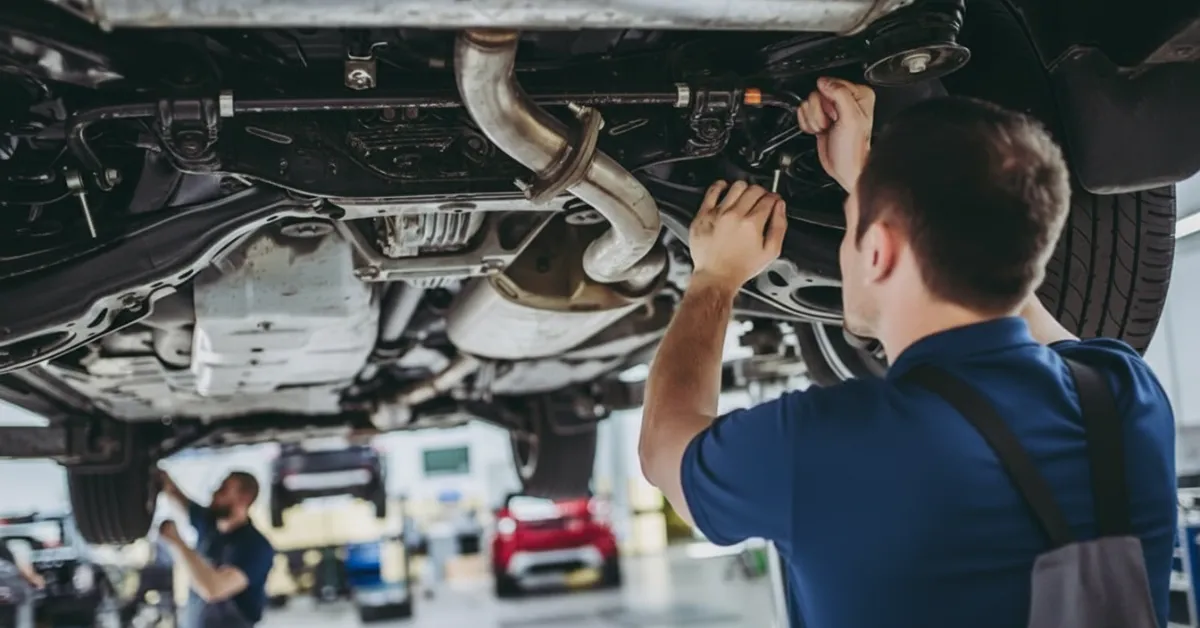
The car is parked on a level surface and the engine is allowed to cool. Technicians check the oil type and amount needed for your vehicle. The car is safely lifted if necessary. Proper preparation ensures a safe and effective oil change.
2. Drain Old Oil
The drain plug is removed, allowing the old oil to flow out completely. This removes dirt, debris, and degraded oil from the engine. It is collected safely for recycling. Draining old oil is the first step to giving your engine fresh lubrication.
3. Replace the Oil Filter
The old oil filter is removed and replaced with a new one. A new filter ensures clean oil circulates through the engine. It prevents dirt and particles from causing damage. This step is essential for long-term engine health.
4. Add Fresh Oil
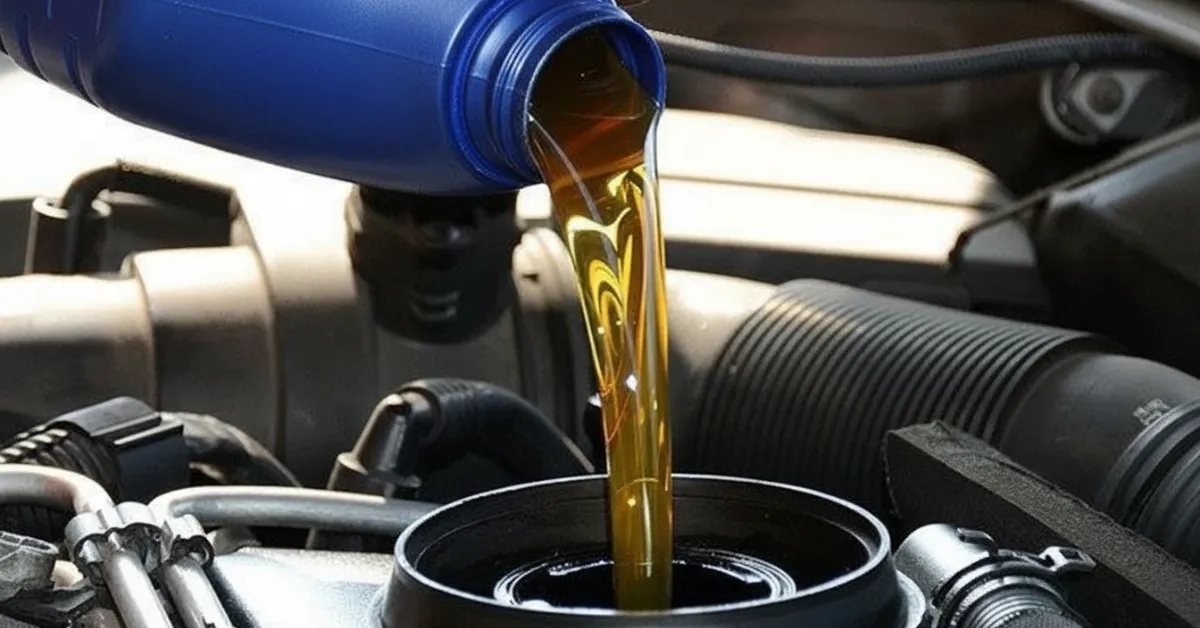
The correct type and amount of new oil is poured into the engine. Technicians use manufacturer-recommended grades for optimal performance. The oil level is checked carefully to prevent overfilling. Fresh oil improves engine efficiency, fuel economy, and performance.
5. Inspect and Test
After the oil change, the engine is started and inspected for leaks. The technician checks oil pressure and ensures the engine runs smoothly. Any other minor maintenance issues may also be noted. This final check confirms the oil change was done properly.
6. Record and Reset
The service is logged, and the oil change reminder or maintenance light is reset. This keeps your car on track for future service intervals. Maintaining proper records ensures consistent engine care.
Tips for Maintaining Your Car's Oil System
Keeping your car’s oil system in good condition is key to long-lasting engine performance. Simple habits and regular checks can prevent major engine problems and improve efficiency. Here are some practical tips to follow:
- Check Oil Levels: Regularly inspect the oil level using the dipstick to ensure it’s within the recommended range.
- Use the Right Oil: Always choose the oil type and grade recommended by your vehicle manufacturer.
- Replace Filters on Time: Change the oil filter at every oil change to keep contaminants out of the engine.
- Watch for Leaks: Inspect under the car for oil spots and address leaks immediately to prevent engine damage.
- Follow Service Intervals: Stick to recommended oil change intervals based on your car’s usage and oil type.
- Monitor Engine Performance: Pay attention to unusual sounds, rough idling, or reduced fuel efficiency as early warning signs.
Why Should You Get Your Oil Changed by a Professional?
Regular oil changes are essential for your car’s engine health, but doing it yourself may not always give the best results. Professional technicians have the right tools, expertise, and quality oils to ensure your engine is properly protected.
At 800Sayara, a trusted car repair garage in Dubai, we provide expert oil change services tailored to your vehicle’s needs. Our technicians use high-quality oils, replace filters correctly, and check the engine for any issues. Choosing professional service ensures smoother performance, better fuel efficiency, and peace of mind every time you drive.
Conclusion
Regular oil changes keep your car running smoothly, improve fuel efficiency, and extend engine life. Using the right oil at proper intervals and relying on professional service helps prevent engine wear and costly repairs. 800Sayara provides expert car oil change services to keep your engine healthy and your drive reliable.
Need a trusted garage in the UAE?
Book expert car service with 800Sayara in Dubai, Abu Dhabi and Sharjah.
Book Appointment