How to Deal with an Engine Seized or Locked Up?
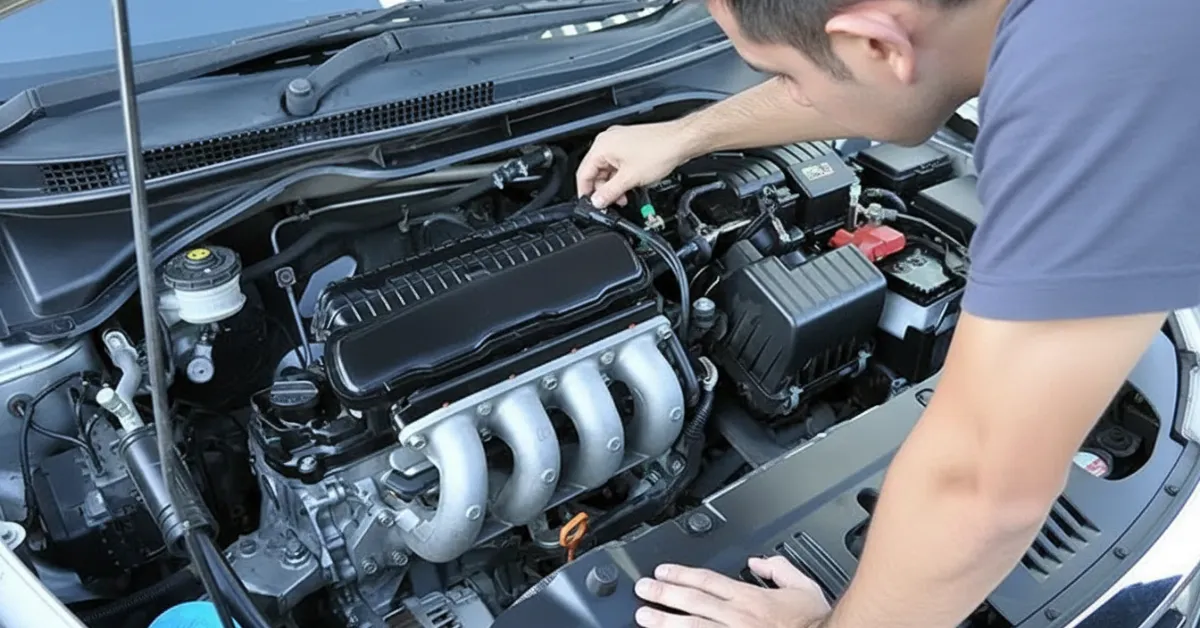
Imagine you are driving down a busy road in Sharjah, enjoying the view of the Khalid Lagoon, when suddenly your car makes a loud “clunk” and the engine stops. You try to turn the key or press the start button, but nothing happens. The engine won’t turn over. It feels like it is stuck or “locked.”
This is what mechanics call a seized engine. It is one of the scariest things that can happen to a car owner, but don’t panic! While it is a serious problem, there are ways to handle it calmly and get your vehicle back in top shape.
In this guide, we will explain what a seized engine is, why it happens in our hot climate, and exactly what steps you should take to fix it.
What Does "Seized Engine" Actually Mean?
Inside your car’s engine, metal parts are moving up and down very fast. To keep things moving smoothly, these parts need oil to stay slippery and a cooling system to keep them from getting too hot.
When an engine “seizes,” it means the internal metal parts have become so hot or dry that they have stuck together. It’s like trying to slide two pieces of sandpaper against each other—they eventually catch and stop moving. When this happens, the engine “locks up” and cannot rotate to start the car.
Why Do Engines Seize?
Understanding why this happens can help you prevent it in the future. In Sharjah, the most common reasons are related to the extreme heat and maintenance habits.
1. Lack of Oil (The #1 Reason)
Oil is the lifeblood of your car. It creates a thin film between metal parts so they don’t touch. If you run out of oil or if the oil becomes too old and dirty, the friction creates massive heat. The metal parts actually melt together slightly, locking the engine. This is why a regular car oil change is the most important maintenance task you can perform.
2. Overheating
If your cooling system fails, the engine temperature rises rapidly. In the middle of a Sharjah summer, an engine can overheat in minutes. If you continue to drive while the temperature needle is in the “Red” zone, the metal parts will expand so much from the heat that they get stuck.
3. Hydrolock (Water in the Engine)
This happens if you try to drive through deep water during a heavy rainstorm. If water gets sucked into the air intake, it enters the cylinders. Since water cannot be compressed like air, the engine parts hit the water and stop instantly, often bending the metal rods inside.
4. Broken Timing Belt
The timing belt keeps the top and bottom of the engine working together. If it snaps, the parts hit each other at high speed, causing a mechanical “lock-up.”
How to Tell if Your Engine is Seized?
How do you know if the problem is a seized engine and not just a dead battery? Here are the signs:
- The “Click” Sound: When you try to start the car, you hear a single “click” from the starter motor, but the engine doesn’t even try to spin.
- Burning Smell: You might smell hot metal or burning oil right before the car stops.
- Loud Banging Noises: Before the engine locks, you might hear a loud knocking or “tapping” sound.
- The Battery is Fine: If your headlights are bright and your radio works, but the engine won’t turn, it is likely a mechanical lock, not a battery issue.
Step-by-Step: What to Do if Your Engine Locks Up
If your car stalls and won’t restart in the middle of traffic, follow these steps to stay safe.
Step 1: Get to a Safe Spot
If you are still rolling, try to steer the car to the shoulder of the road. Turn on your hazard lights (the double blinking orange lights) to let other drivers in Sharjah know you have a problem.
Step 2: Stop Trying to Start the Car
If the engine is seized, trying to start it over and over will only damage the starter motor or the electrical system. If it doesn’t turn over after two tries, stop.
Step 3: Check the Fluids
Wait for the engine to cool down for at least 20 minutes. Check the oil dipstick. If it is bone dry, you’ve found your problem. Check the coolant level, but never open a hot radiator cap, as boiling liquid can spray out and burn you.
Step 4: Call for Help
Since a seized engine cannot be driven, you will need a professional to move the car to a workshop. You should call a reliable car recovery service to safely transport your vehicle. Trying to tow a seized car with a simple rope can be dangerous for the transmission.
Can a Seized Engine Be Fixed?
The good news is that “seized” doesn’t always mean “destroyed.” It depends on how bad the damage is.
The “Soak” Method:
If the engine seized because it sat for a long time and got rusty, a mechanic might pour special oil into the cylinders and let it sit for a few days. This can sometimes “loosen” the parts.
The Repair/Rebuild:
If the engine is seized while driving, it usually needs to be taken apart. A car mechanic service will inspect the pistons, bearings, and crankshaft. They might replace the damaged parts and put the engine back together. This is a big job, but it is much cheaper than buying a whole new car!
Engine Replacement:
In some cases, it is faster and cheaper to simply swap the broken engine for a used or reconditioned one.
The Benefits of Staying on Schedule
1. Safety First
The most important reason to service your car is to keep you and your family safe. During a service, mechanics check your brakes, tires, and steering. Finding a thin brake pad during a service is much better than having your brakes fail while driving.
2. Save Money on Fuel
A well-maintained engine is an efficient engine. When your oil is clean and your filters are clear, the engine doesn’t have to struggle. This means you get more kilometers out of every tank of petrol.
3. Protect Your Warranty
If you have a new car, the manufacturer usually requires you to follow a specific service schedule. If you skip a service and the engine breaks later, they might refuse to fix it for free because you didn’t follow the rules.
4. Better Resale Value
When it’s time to upgrade to a new ride, a buyer in Abu Dhabi will always ask for the “Service History.” A car with a full folder of service receipts shows that it was loved and cared for. This can add thousands of Dirhams to your selling price.
How to Prevent Engine Seizure in Sharjah?
Prevention is always better (and cheaper) than a cure. Here is how you can make sure this never happens to you:
- Check Your Oil Weekly: It only takes one minute. Pull the dipstick, wipe it, and check the level. If it’s low, top it up.
- Watch the Temperature Gauge: Make it a habit to glance at your dashboard. If the needle starts climbing higher than usual, pull over immediately.
- Listen to Your Car: Cars usually give a “warning” before they fail. If you hear new squeaks, thumps, or rattles, take it to a pro.
- Service Contracts: Consider a service package so you never miss an oil change or a belt inspection.
Common Myths About Seized Engines
- Myth: You can just “kick-start” it by towing it fast.
Fact: This will likely destroy the gearbox and the engine. If it’s locked, it’s locked.
- Myth: A seized engine is always a total loss.
Fact: Many engines are saved every day through professional rebuilding.
- Myth: It only happens to old cars.
Fact: A brand-new car will seize if it has no oil or if it gets “hydrolocked” in a flood.
Conclusion
Dealing with a seized engine is definitely a challenge, but it is one you can overcome. By staying calm, getting your car safely off the road, and calling in the experts, you can navigate the repair process smoothly.
In a bustling city like Sharjah, having a reliable vehicle is essential. The best way to avoid engine trouble is to stay on top of your maintenance. Keep your oil fresh, your coolant topped up, and listen to what your car is telling you.
If you ever find yourself stuck, remember that help is just a phone call away. Whether you need a tow or a master mechanic to rebuild your engine, the right support from a trusted car repair workshop will have you back on the road and enjoying the drive in no time.
Need a trusted garage in the UAE?
Book expert car service with 800Sayara in Dubai, Abu Dhabi and Sharjah.
Book Appointment